
Analysis of Ajax FireProtect Fire Alarm System
Equipped with high-quality sensors, this product monitors ambient temperature and detects the presence of toxic CO gas. When the temperature exceeds safe levels or CO gas is present, the device automatically triggers an alarm, notifying the user of the dangerous situation.

I. Ion sensor for detecting smoke:
Currently, most fire detectors on the market use ion sensors to detect smoke and then issue fire warnings. Ajax FireProtect integrates high-quality sensors to monitor ambient temperature and detect the presence of toxic CO gas. When the temperature exceeds safe levels or CO gas is present, the device will automatically trigger an alarm, notifying the user of the dangerous situation.
1. Structure of a common smoke detector:
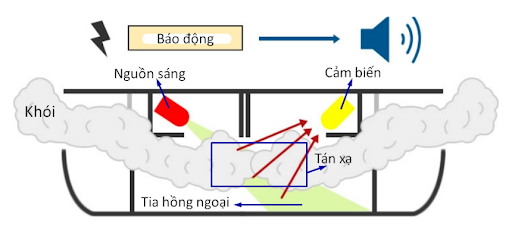
A typical smoke detector is equipped with an LED light and a sensor inside the smoke chamber. When smoke enters, the light source is interrupted, and the sensor confirms the signal, thereby triggering a fire alarm.
2. Structure of Ajax FireProtect:
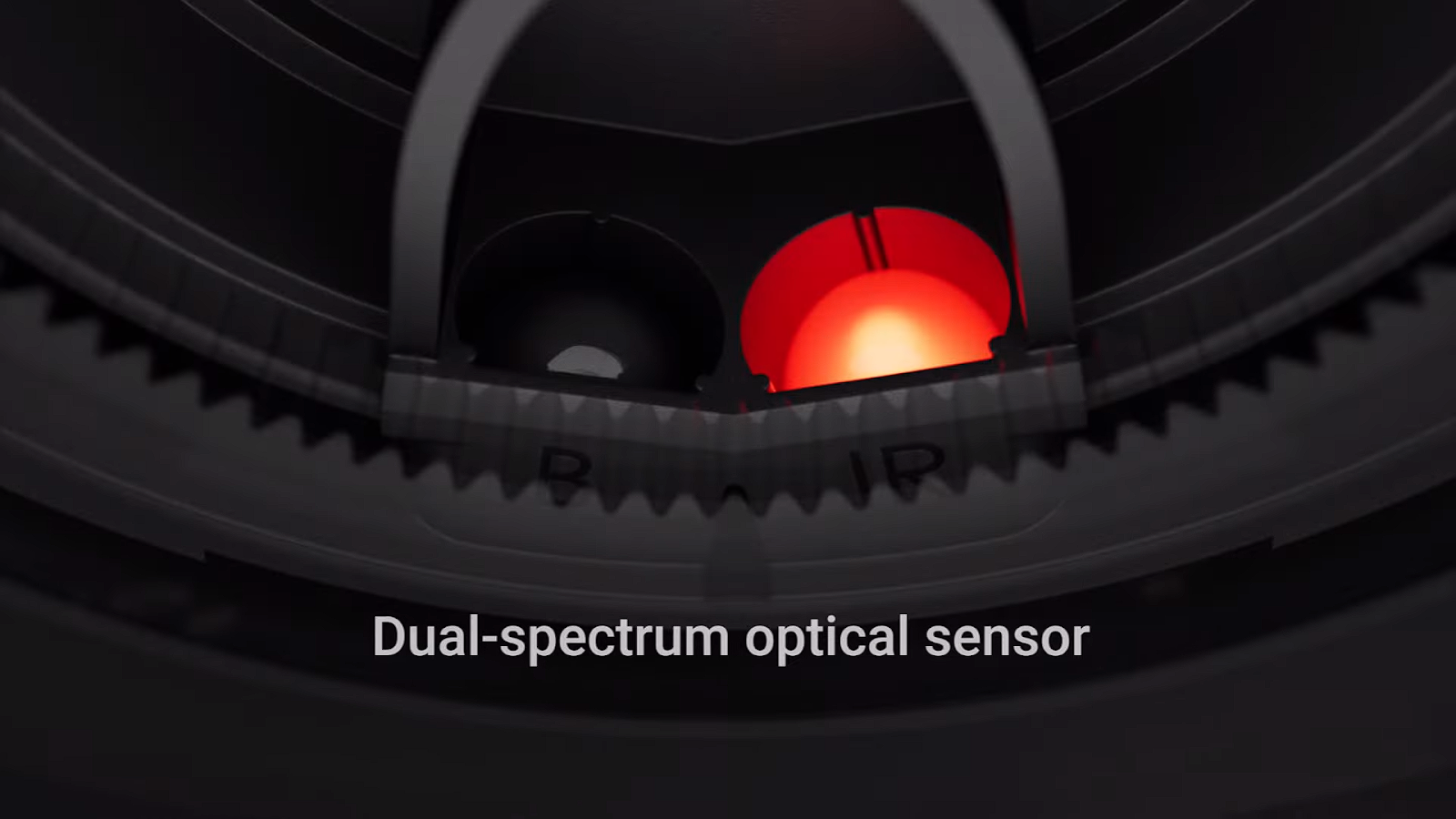

Unlike conventional devices, Ajax FireProtect is equipped with not just one, but up to two light sensors. This allows the device to detect particle density, eliminating false alarms from vapor or thin smoke.
II. Temperature sensors and CO concentration sensors:
In fact, relying solely on smoke sensors to provide fire warnings is completely insufficient for accurate detection. Therefore, Ajax FireProtect incorporates other sensors that operate simultaneously to provide the most accurate and rapid fire warnings possible.
1. Temperature sensor:

Ajax FireProtect is equipped with two temperature sensors to help accurately determine the actual temperature in the protected area. An alarm will be triggered when one or more of the following conditions are confirmed:
- The temperature exceeded 65°C.
- The temperature increased suddenly in a short period of time.
- Rising temperatures accompanied by smoke.
2. CO gas sensor:

CO gas sensors help to better determine the situation at the scene, supporting safer and more convenient access for rescue personnel. Thanks to these sensors, users can also be protected from smoke inhalation spreading from nearby fires.
3. Additional features:
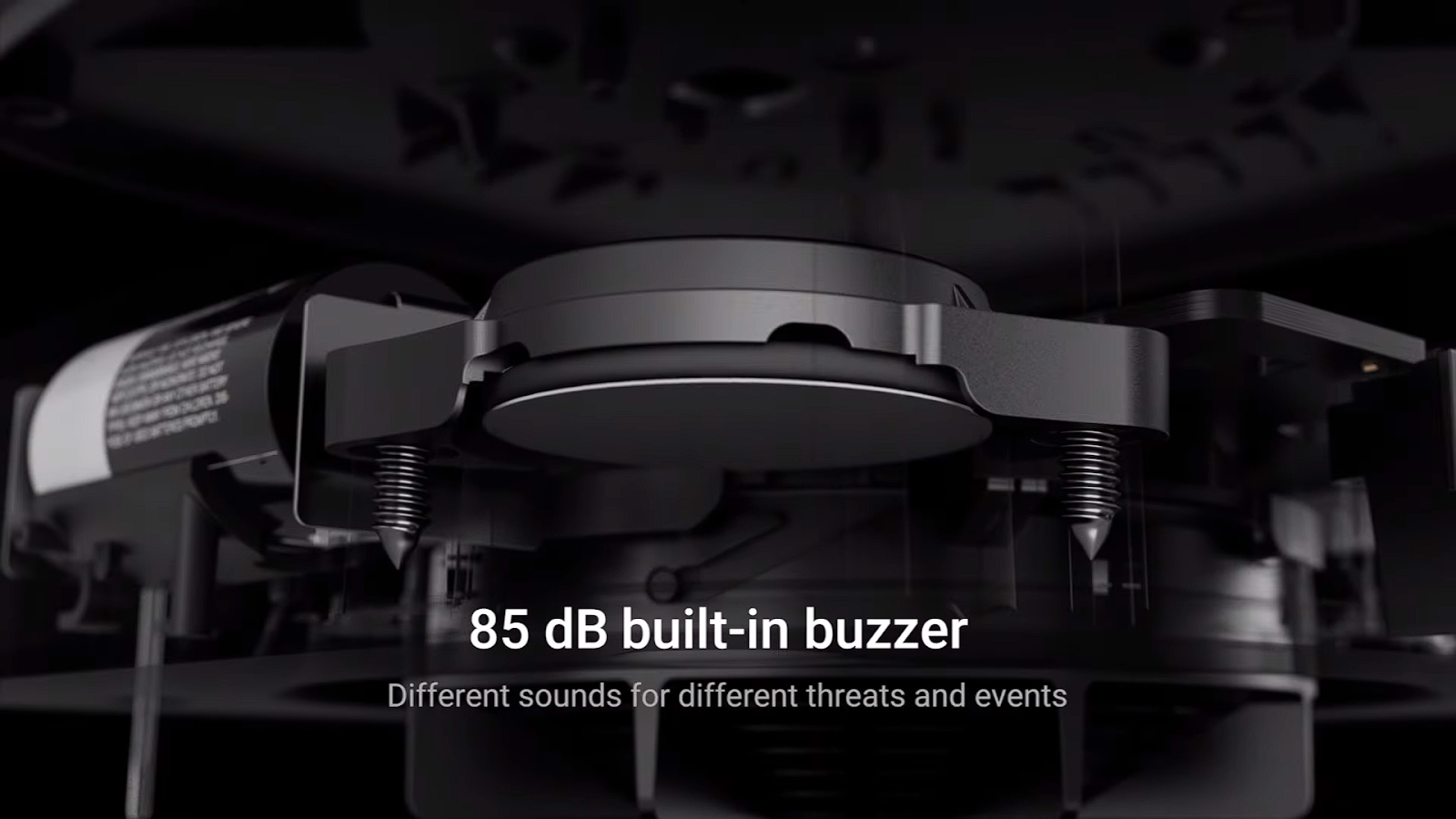
The built-in speaker, with a volume of up to 85 dB and a range of 3 meters, helps to alert users. Each type of alert is assigned a different sound, allowing users to quickly identify potential hazards.
The built-in, durable battery allows the device to operate for up to 7-10 years without needing a battery replacement.

The proprietary smoke chamber technology prevents dust, insects, and other harmful agents from affecting the device's performance. The smoke chamber also features sensors to help users monitor the device's cleanliness, making monitoring and maintenance easier and more convenient than ever. Through the app, users can accurately track battery status, smoke chamber cleanliness, signal strength, and more.
In addition, the device has a testing feature to confirm its operational status. This is one of its outstanding features compared to other products on the market.